
TOMMY BU
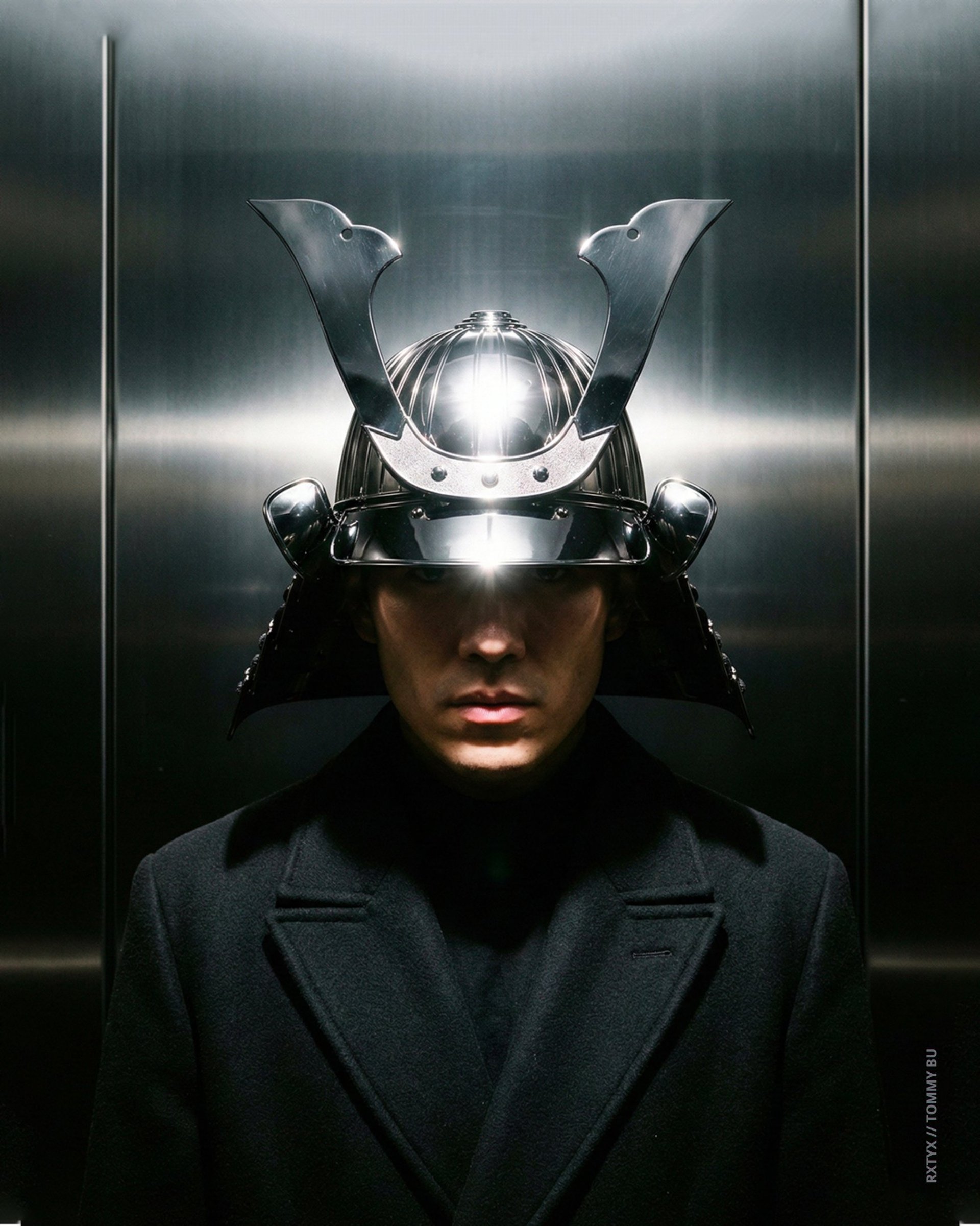
Discover "RONIN: KABUTO COLLECTION", a new collections our italian artist Arlandini Tommaso, aka Tommy Bu, AI Artist and Graphic Designer from Florence.
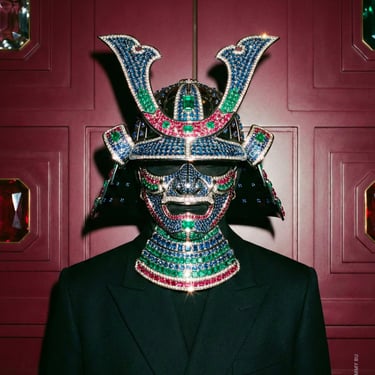
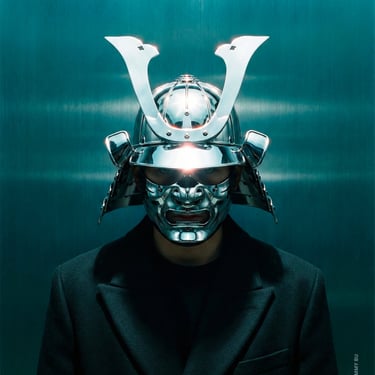
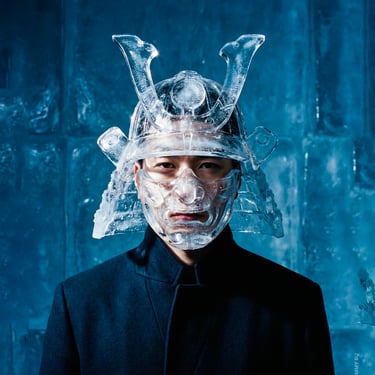
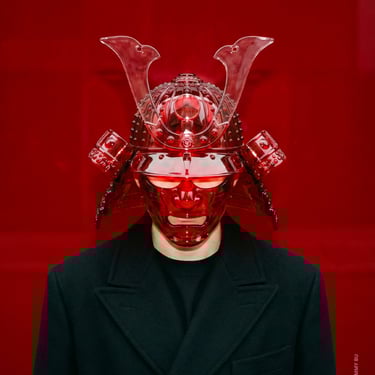
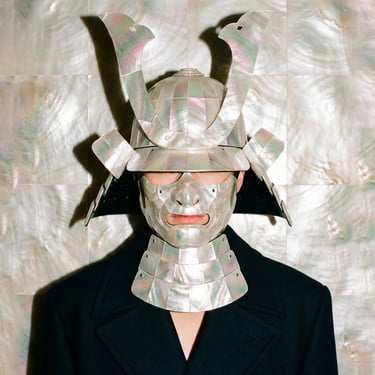
"RONIN: KABUTO COLLECTION"
Arlandini Tommaso, aka Tommy Bu, is a graphic designer and AI artist from Florence and based now in Milan, Italy. We approached him for his first-look talent. We are both italian so the collaboration is a natural flow of our journey.
The artist first approached the digital world as a graphic designer. When he encountered artificial intelligence, a completely new creative universe opened up to him. He initially began experimenting with Adobe Firefly to try to create graphics that felt more innovative compared to his usual work. Later, during a master program, he discovered Midjourney.
Between curiosity and practical needs, he continued exploring AI as a way to simplify his workflow and avoid limiting the possibilities of creating what he had in mind. Through continuous experimentation, he discovered new AI tools capable of generating different types of content, including video, while also helping him refine the quality of his images and ideas. More broadly, this exploration became a way to keep researching, growing, and finding the best creative solutions for himself.
Over time, he developed a true passion for this world, and today he hopes to continue creating and sharing his vision.
He enjoys reinterpreting subjects he is passionate about and considers iconic, reflecting them in a reality that does not naturally belong to them. The result is what he describes as a form of “controlled chaos,” a space that allows him to experiment freely and express his creativity.
His inspiration often comes from his personal passions, particularly streetwear and the world of rap. More generally, he likes to draw inspiration from what surrounds him and what he enjoys, transforming those influences into something unexpected.
The collection: a tribute to the Ronin dynasty
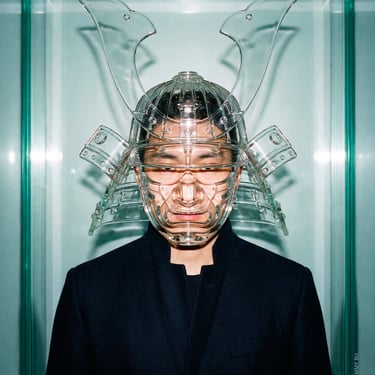
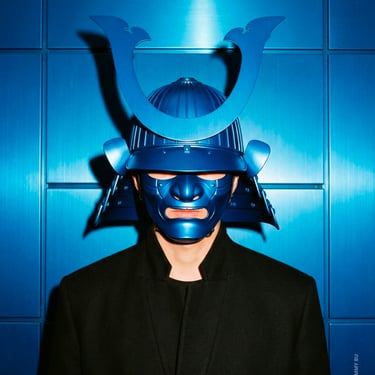
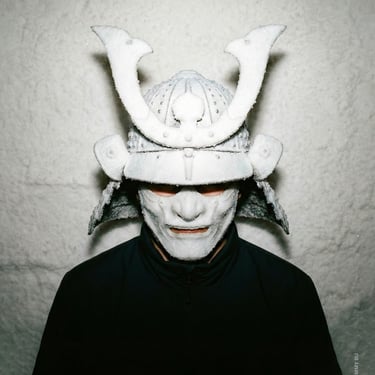
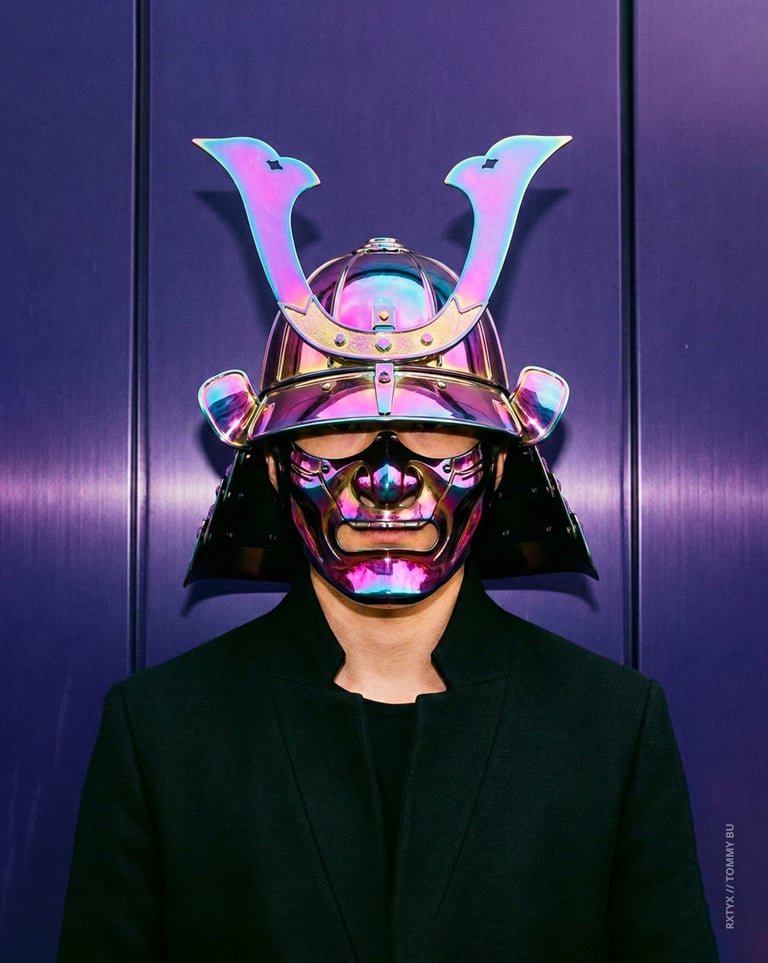
With RONIN: KABUTO COLLECTION, the figure of the samurai, the iconic Japanese warriors, is reinterpreted as a contemporary design object. The focus is placed in particular on the Rōnin, samurai who were left without a master: guardians of values and of the traditional warrior code, yet free from bonds of loyalty, with an independence that made them more autonomous in many respects.
Within the project, the Kabuto and the Menpō are transformed through the use of unexpected materials that differ from those traditionally associated with samurai armor, while their iconic structure remains intact.